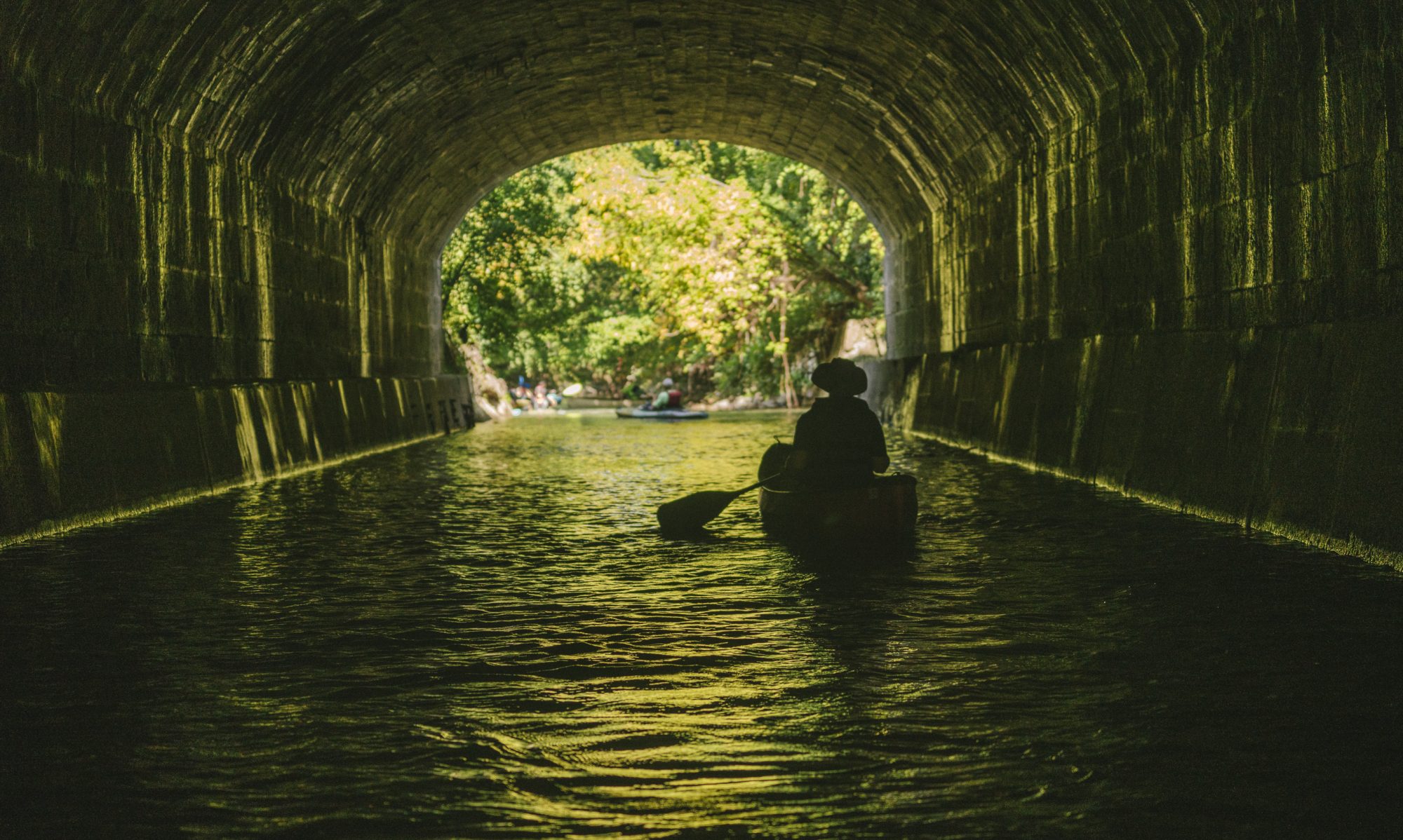

Paddling Onondaga Creek is enjoyable and doesn’t require a lot of special expertise or equipment if you take a little time to prepare yourself. We also organize several public float trips on the creek each season which provide a great way to test out a trip with experienced company.
Additionally, we’ve assembled safety information on this page to help you to understand your trip’s length, how to plan, what gear and boats you’ll need, the best times to boat on the creek, where you can launch or take out a boat, as well as other helpful tips.
⚠ Paddling Onondaga Creek involves inherent risks of injury and equipment damage. While safety information can help manage that risk, Creek Rats assumes no responsibility for any injuries or damages incurred during your trip.

Plan Ahead, Every Trip
- Confirm your take-out site is open and free of obstacles.
- Inform someone of your plans.
- Check water depth, flow / speed, and weather forecast.

Use Proper Equipment
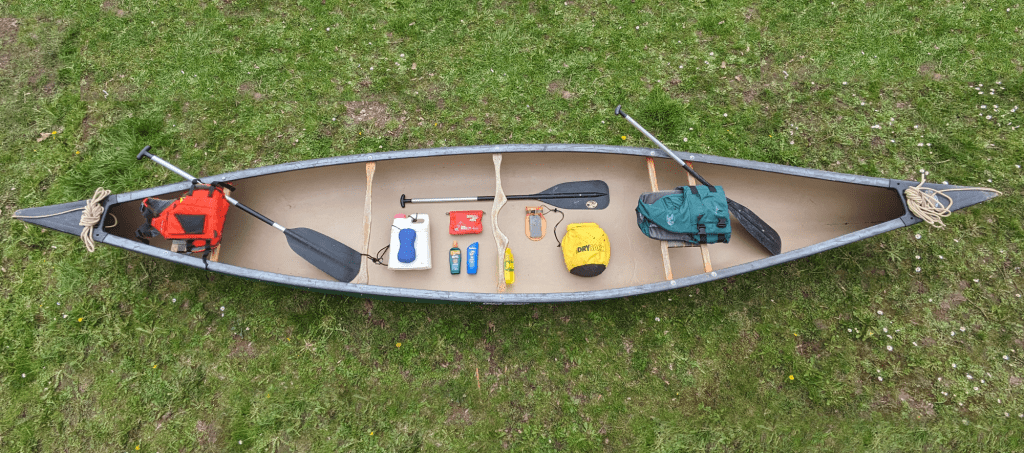
- Opt for rigid hull canoes or kayaks.
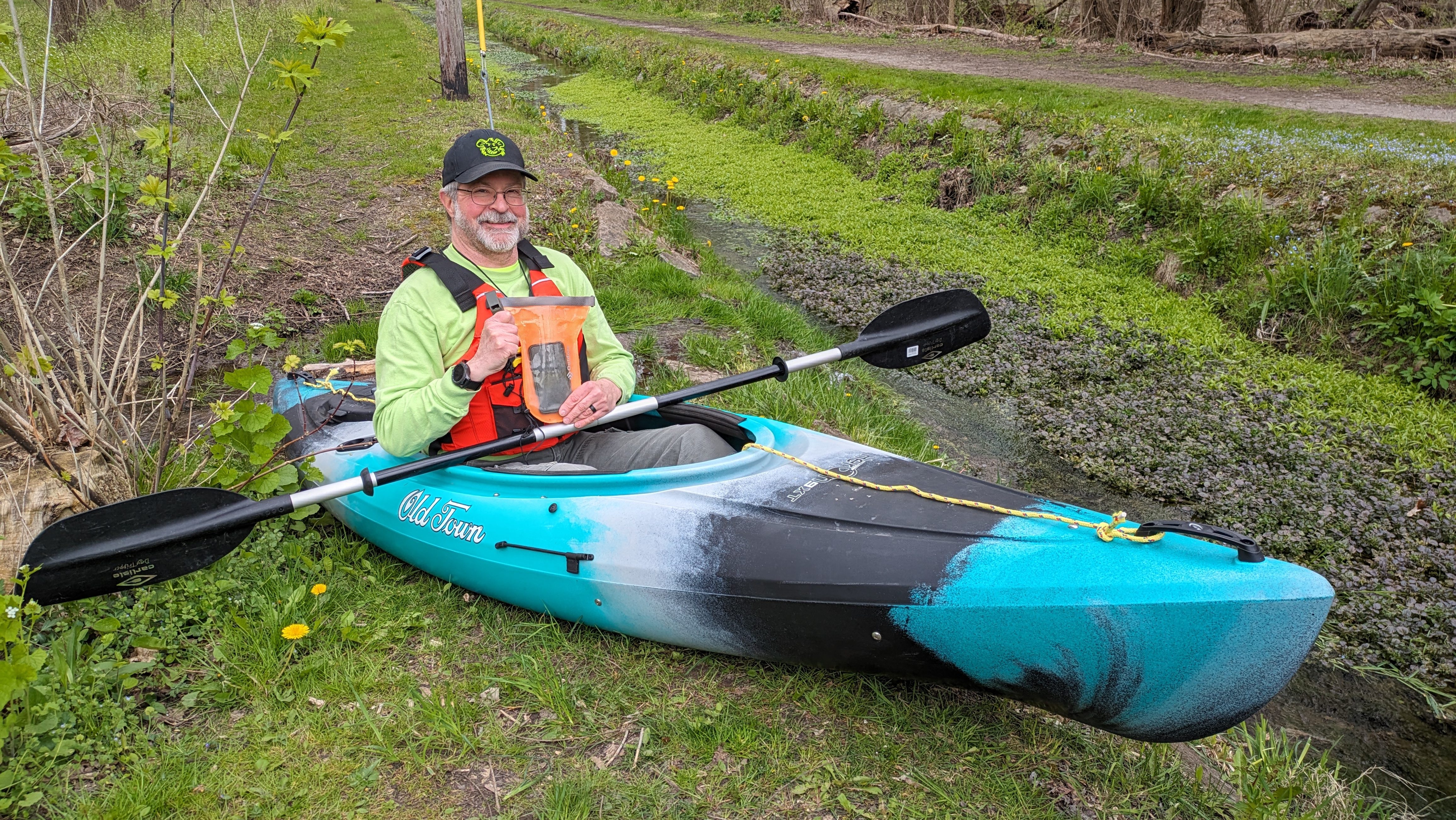
- Wear a USCG-approved life jacket.
- Carry ropes, sturdy shoes, and a whistle / air horn.

Remember Safety Tips
- Dress for weather and colder water temperatures.
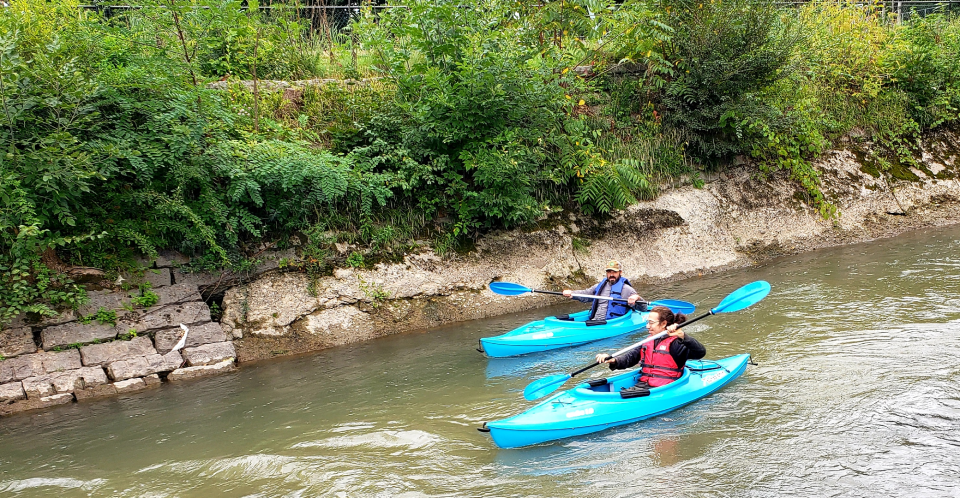
- Stay visible with bright clothing.
- Navigate parallel to the current.
- Stay alert to location reference points such as bridges and buildings.
General creek information and a video preview of a paddle down the creek can be found on Enjoy the Creek.
Trip Length
2 hours.
The creek’s swift current means that you will launch from one point and take-out at another point downstream — you generally can’t paddle back upstream against the current to return to your launch point. Moreover, the creek is fenced off and channeled with concrete or limestone blocks from Ballantyne Ave to West Genesee Street. The channelization makes it very difficult to cut a trip short because it’s hard to climb up the channel wall, especially from a boat. A typical trip from Dorwin Ave to the Inner Harbor will take approximately 2 hours to complete at a leisurely pace.
Before You Go
- Plan a launch and take-out site using the boating info on this website.
- Much of the creek is visible from the Creekwalk. Scout for downed trees or other obstacles in advance of your trip.
- Confirm access at your launch and take-out sites before every trip. Access along the creek is always changing, so be confident you know where you can get out.
- Park a car/bike at the takeout, or arrange for someone to transport you back to the launch site when you’ve finished your trip.
- Tell someone you’re going, and when you’ll be back. Keep them updated with your actual start time, and confirm when you’ve made it to your take-out safely.
Gear Tips
- Wear a USCG approved life jacket with a whistle. Bring an air horn in your boat if you have one to get attention over the noise of traffic above.
- Have two ropes — a rope pre-tied to the front (bow) of your boat and another pre-tied to the back (stern) of your boat — in case you stop, need a hand, or have to tie-off to navigate a downed tree or other obstacle.
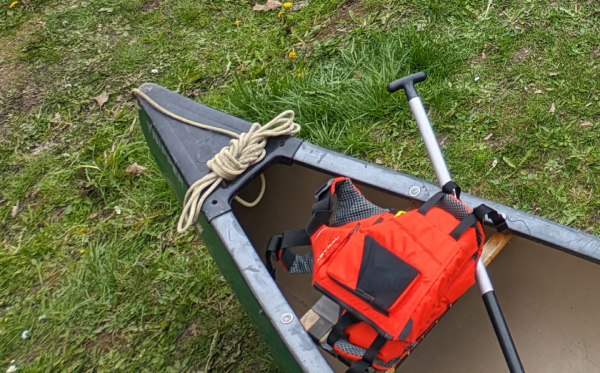
- Make sure you can reach both your front (bow) and rear (stern) safety ropes, but do not connect them to you! Keep them tidy and secure so you cannot become caught in them if your boat flips.
- Wear sturdy shoes with a solid sole in case you must get out of the boat or walk around blockages. Occasionally you will encounter sharp mattress springs or bicycle parts lurking below the water. Sandals or water shoes are too light to protect you.
- Secure an extra paddle, if you have one, to your boat as the current can whisk them away more quickly than you’d guess.
- Bring a waterproof bag for for your phone, keys, wallet, etc, and secure it to your boat in case you tip.
- Bungees or string for your glasses helps when ducking through overgrowth.
- A pair of gardening loppers can be helpful to have when navigating through unexpected brush.
Best Craft To Use
Rigid hull canoe or kayak.
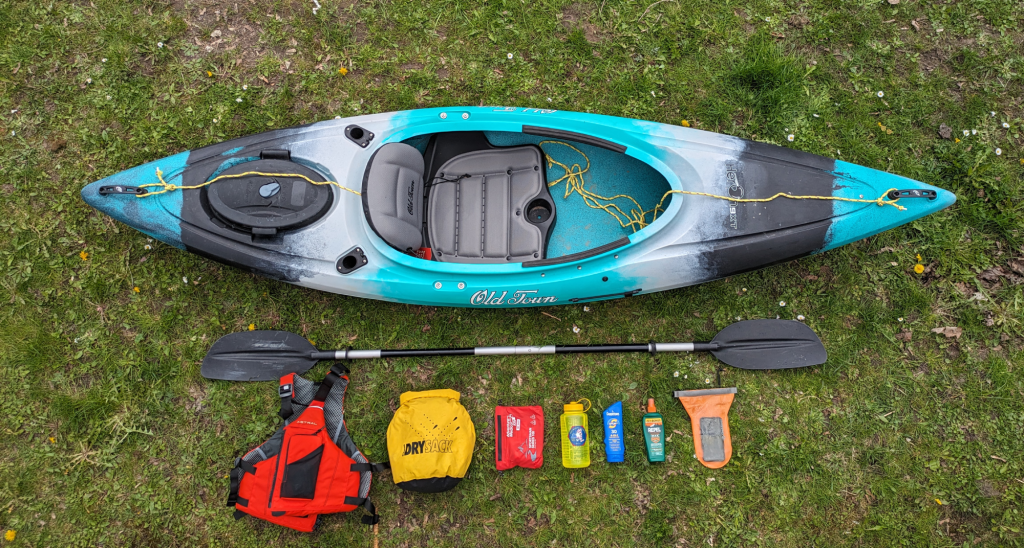
The creek depth varies sporadically from just an inch or two to approximately 6 feet over the journey, so canoes or kayaks are the best — motor boats or anything that sits low in the water is going to get hung up along the way. We’ve had enjoyable trips with both sit on or sit in rigid kayaks, and both single or double canoes. A rigid hull (plastic, fiberglass, aluminum, etc) is a must — inflatables won’t survive the trip.
Best Time To Go
May 1 through Oct 31, weather dependent.
- Any time of day when there will be plenty of light to see objects in the water.
- When the water is below liner depth, meaning you can see where the concrete/limestone edge ends and the shore begins. Links to flow gauges are in our resources.
- When there isn’t rain in the forecast — rain causes the creek depth and flow to change fast.
- December to April are high water months and usually not safe for boating.
Where Can I Launch or Take Out a Boat?
As of 2024 there are five access points along Onondaga Creek.
Ollie’s Point makes for an easy spot to beach, and get you and your boat out of the creek. If you’ll be going all the way to the lake, just beyond Ollie’s Point is a concrete weir. During most of the year you can float over it just fine (especially if you aim center/center-left), and there is also good portage to the right of it.

Other Tips
- Dress for the weather and colder water temperature — quick dry clothing helps. Much of the creek is shaded and the water is generally quite cool, so a dry towel and dry footwear at the takeout point are often welcome.
- Bring plenty of water and sunscreen.
- Wear bright colors that make you highly visible. Nylons, polyesters, and fleece materials are good for drying fast and keeping you warm.
- Try to keep your boat parallel with the creek’s current — it’s when your boat is sideways that it’s easy for the current to roll you (flip you). This is especially true when helping someone launch: try and keep them parallel to the current / shoreline versus pushing them away from shore perpendicular to the current.
- If you need to go upstream, consider paddling backwards instead of turning your boat around. If you must turn around, be quick about it so you’re not sideways across the creek for very long. Last, if you do get caught someplace and sense the current is turning you around, don’t fight it — let it turn you, paddle backwards downstream where the current isn’t as fast, and then turn yourself back around.
- If you do flip your boat, don’t panic. In most spots you’ll be able to put your feet down and touch the creek floor. If it’s a rare spot where the water’s over your head, in a few feet further you’ll probably be able to touch the creek floor again.
In An Emergency
Call 911. If you can make it to a bridge, call up for pedestrians passing overhead. When possible, paddle in groups.
Have a tip, resource, or advice we missed in our boat safety overview? Please let us know!
 Creek Rats
You must be logged in to post a comment.